
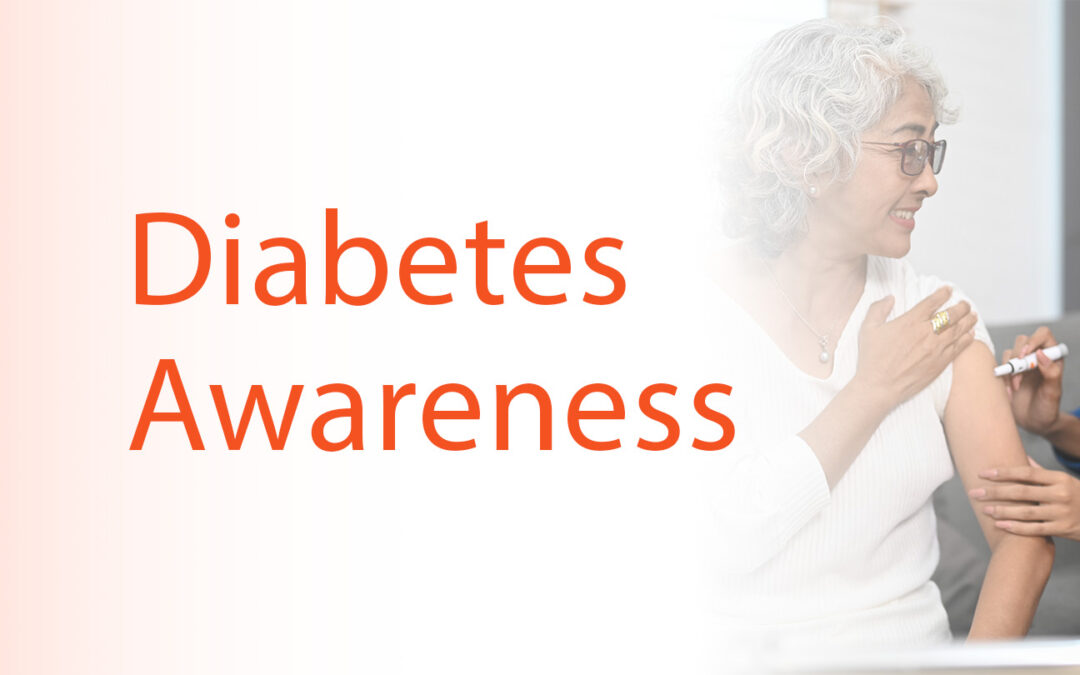
Diabetes Awareness
People living with Diabetes may face various day-to-day challenges, including:
• Blood Sugar Management: Constantly monitoring and managing blood sugar levels through medication, insulin, diet, and exercise to avoid hyperglycaemia (high blood sugar) or hypoglycaemia (low blood sugar).
• Dietary Choices: Making healthy food choices, counting carbohydrates, and balancing meals to control blood sugar levels.
• Insulin Injections: For those with type 1 diabetes or some with type 2 diabetes, administering insulin injections or using an insulin pump.
• Medication Management: Taking prescribed medications as directed by healthcare providers.
• Regular Monitoring: Frequent blood glucose checks and, for some, tracking other health metrics like blood pressure and cholesterol.
• Exercise: Incorporating regular physical activity while managing blood sugar levels.
• Stress Management: Stress can affect blood sugar levels, so managing stress is crucial.
• Hypoglycaemia Awareness: Being alert to and treating low blood sugar symptoms, such as shakiness, sweating, and confusion.
• Long-term Complications: Concerns about potential complications like nerve damage, kidney problems, and eye issues.
• Insurance and Costs: Dealing with the financial aspects of diabetes care, including insurance coverage and the cost of supplies and medications.
• Social and Emotional Impact: Coping with the emotional and social aspects of living with a chronic condition, such as diabetes-related stigma and mental health concerns.
• Lifestyle Adjustments: Adapting to a diabetes-friendly lifestyle, which may include avoiding certain foods and alcohol.
• Continuous Education: Staying informed about the latest diabetes management techniques and research.
It’s important to note that the specific challenges can vary depending on the type of diabetes (type 1, type 2, gestational, etc.) and individual circumstances. Effective management, regular medical check-ups, and a strong support system can help individuals with diabetes lead fulfilling lives while minimising these day-to-day challenges.
Nutritional advice plays a crucial role in helping individuals with diabetes manage their condition effectively. Here’s how it can help and some general guidelines:
• Blood Sugar Control: Proper nutrition can help stabilise blood sugar levels, reducing the risk of hyperglycaemia and hypoglycaemia.
• Weight Management: Maintaining a healthy weight through dietary choices can improve insulin sensitivity and overall diabetes control.
• Prevention of Complications: A well-balanced diet can help reduce the risk of long-term complications associated with diabetes.
• Energy and Well-Being: Eating the right foods can provide energy and enhance overall well-being, helping individuals feel their best.
General Guidelines:
Recommended Foods to Eat:
• Vegetables: Non-starchy vegetables like leafy greens, broccoli, and bell peppers are rich in fibre and low in carbohydrates.
• Whole Grains: Choose whole grains like quinoa, brown rice, and whole wheat bread for sustained energy.
• Lean Proteins: Opt for lean protein sources like skinless poultry, fish, tofu, and legumes.
• Healthy Fats: Include sources of healthy fats such as avocados, nuts, and olive oil in moderation.
• Fibre-Rich Foods: Foods high in fibre, like beans, lentils, and oats, can help stabilise blood sugar.
• Portion Control: Controlling portion sizes is important to manage calorie intake.
Forbidden or Limited Foods:
• Added Sugars: Sugary beverages, candies, and desserts should be limited or avoided.
• Highly Processed Foods: Processed foods often contain unhealthy trans fats and excessive sodium, which can be detrimental.
• Sugary Cereals: Many breakfast cereals are high in sugar and should be replaced with whole-grain options.
• White Bread and Pasta: These are rapidly digested and can cause blood sugar spikes; whole grains are better choices.
• Fried Foods: Foods high in unhealthy fats can lead to weight gain and insulin resistance.
• Alcohol: Consumption should be limited or done with caution, as alcohol can affect blood sugar levels.
Nutritional advice should be personalised, ideally provided by a registered dietitian or a health coach, taking into account an individual’s specific needs, type of diabetes, and lifestyle. The goal is to create a balanced and sustainable eating plan that helps manage blood sugar while enjoying a variety of foods.
A plant-based whole foods diet can be beneficial in managing and even potentially reversing type 2 diabetes, but it’s important to understand that the results can vary from person to person.
Here are some reasons why a plant-based whole foods diet can help with type 2 diabetes:
• Weight Loss: Plant-based diets are often lower in calorie density and can lead to weight loss, which is a key factor in improving insulin sensitivity and blood sugar control.
• Fibre-Rich Foods: Plant-based diets are typically high in fibre, which can help stabilise blood sugar levels and improve overall glycemic control.
• Low in Saturated Fat: These diets are naturally low in saturated fat, which can reduce the risk of insulin resistance.
• Rich in Antioxidants: Plant-based foods are often packed with antioxidants, which can reduce inflammation and improve insulin sensitivity.
• Improved Lipid Profile: Plant-based diets can lead to improved blood lipid profiles, reducing the risk of cardiovascular complications often associated with diabetes.
• Enhanced Insulin Sensitivity: Some research suggests that plant-based diets can increase insulin sensitivity and reduce the need for diabetes medications.
However, the effectiveness of a plant-based whole foods diet in reversing type 2 diabetes can depend on various factors, including an individual’s commitment to the diet, genetics, and the stage of diabetes. It’s essential to work closely with a healthcare professional, such as a registered dietitian or endocrinologist, when making significant dietary changes to ensure they align with your specific health needs.
Also, it’s important to remember that while diet is a crucial component of diabetes management, it may not be a standalone solution for everyone. Medication, physical activity, and other factors may also play a role in a comprehensive diabetes management plan.
How can I as a health and wellness coach, support the best someone with diabetes so that they can reverse the disease?
As a health and wellness coach, I can play a vital role in supporting individuals with diabetes who are looking to manage and potentially reverse the disease through lifestyle changes.
Here are some ways to provide effective support:
• Education: I provide clients with accurate information about diabetes, its management, and the potential benefits of lifestyle changes, including diet and exercise.
• Personalised Guidance: I tailor advice to the individual’s specific needs, taking into account their type of diabetes, medical history, and current health status.
• Goal Setting: I help clients set realistic and achievable goals for blood sugar control, weight management, and overall health improvement.
• Nutritional Guidance: I offer personalised dietary recommendations, including meal planning, portion control, and guidance on choosing diabetes-friendly foods.
• Exercise and Physical Activity: I assist clients in creating an exercise plan that suits their fitness level and preferences. Encourage regular physical activity as it can help improve insulin sensitivity.
• Stress Management: Teach stress-reduction techniques, as stress can impact blood sugar levels. Techniques such as mindfulness, meditation, or relaxation exercises can be beneficial.
• Behaviour Change Support: Help clients identify and overcome barriers to making healthy lifestyle changes. Assist them in building healthy habits and providing ongoing motivation.
• Monitoring and Tracking: Encourage clients to monitor their blood sugar levels, medication, and dietary intake. Tracking progress can help adjust the plan as needed.
• Collaboration: Work closely with healthcare professionals, such as registered dieticians, endocrinologists, and primary care physicians, to ensure a coordinated approach to diabetes management.
• Emotional Support: Address the emotional and psychological aspects of living with diabetes. Offer empathetic support and encourage open communication about any challenges or concerns.
• Lifelong Support: Emphasise that diabetes management is a long-term commitment. Continue to support and educate clients even after they’ve made initial progress.
• Stay Informed: Keep up-to-date with the latest research and guidelines related to diabetes management, as the field is constantly evolving.
Successful diabetes management and potential reversal require a multidisciplinary approach, and my role as a health and wellness coach complements the efforts of healthcare professionals.
Collaboration, ongoing support, and a focus on sustainable lifestyle changes are key to helping my clients achieve their health goals.
