

Balancing blood sugar levels is a fundamental aspect of maintaining good health and well-being. It refers to the process of keeping the concentration of glucose (sugar) in your bloodstream within a healthy and stable range. Proper blood sugar management is essential for preventing various health issues, especially diabetes, and plays a vital role in keeping your energy levels steady. In this article, we will explore why blood sugar balancing is important and how you can achieve it through dietary choices, regular exercise, stress management, and other lifestyle factors.

Why is Blood Sugar Balancing Important?
Preventing Diabetes:
One of the primary reasons to focus on blood sugar balancing is to prevent diabetes. Diabetes is a chronic condition characterized by high blood sugar levels, which can lead to serious health complications.
Energy Stability:
Balancing your blood sugar helps maintain a consistent supply of energy throughout the day. When blood sugar levels are steady, you’re less likely to experience energy crashes and mood swings.
Reducing the Risk of Heart Disease:
High blood sugar levels can damage blood vessels and increase the risk of heart disease. Proper blood sugar management is a crucial component of heart health.
Preventing Nerve Damage:
Prolonged high blood sugar can lead to nerve damage, potentially causing numbness, tingling, and pain in the extremities.
Protecting Vision:
Diabetes and high blood sugar are linked to vision problems, including diabetic retinopathy. Maintaining healthy blood sugar levels can help preserve your eyesight.
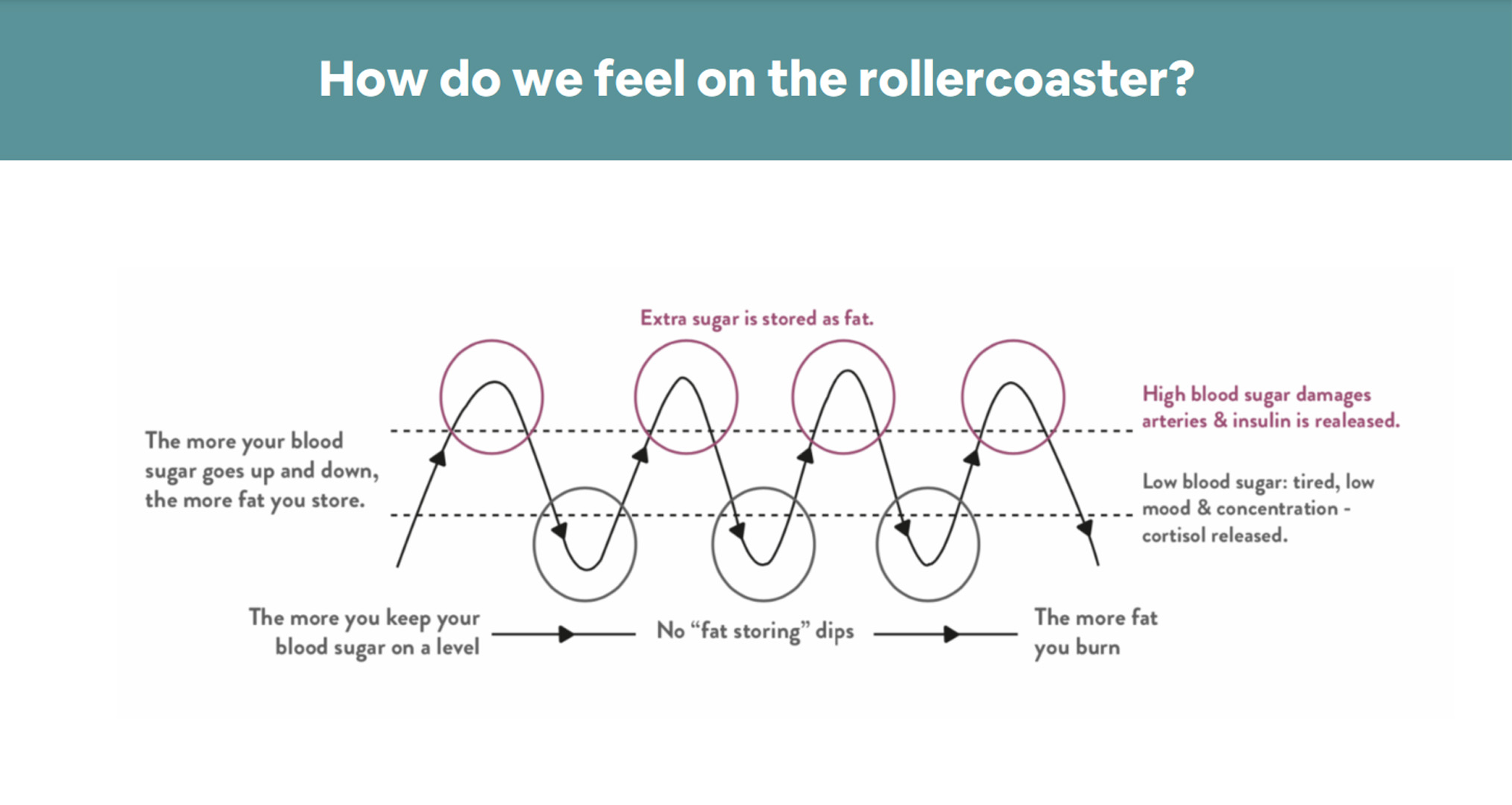
How to Balance Blood Sugar Levels
Dietary Choices
The foundation of blood sugar balancing is your diet. Focus on:
-
- Complex Carbohydrates: Choose whole grains, vegetables, and legumes over refined carbohydrates.
- Protein: Include lean protein sources like poultry, fish, and tofu in your meals.
- Healthy Fats: Incorporate sources of healthy fats like avocados, nuts, and olive oil.
- Portion Control: Pay attention to portion sizes to prevent overeating, which can cause blood sugar spikes.
- Regular Meals: Consistent meal timing can help stabilize blood sugar levels throughout the day.
Physical Activity
Engage in regular exercise to improve insulin sensitivity and help control blood sugar. Aim for a combination of aerobic and strength training exercises.
Stress Management
Chronic stress can impact blood sugar levels. Practice stress-reduction techniques such as meditation, deep breathing, or yoga.
Adequate Sleep
Prioritize quality sleep to improve insulin resistance and support healthy blood sugar regulation.
Conclusion
Balancing blood sugar is essential for overall health and well-being. By making informed dietary choices, staying active, managing stress, and getting enough sleep, you can maintain stable blood sugar levels and reduce the risk of diabetes and related complications. Taking control of your blood sugar not only protects your physical health but also ensures a steady supply of energy, mood stability, and an improved quality of life. Start making small, sustainable changes today to enjoy the benefits of balanced blood sugar levels.
